There is a complex relationship between cravings and addiction. They are your brain’s way of reminding you to take or do coping with alcohol cravings something that brings pleasure. The discovery of NCS paved the way for understanding the brain as the basis of craving and addiction. They can be a struggle, but understanding why they happen is critical to managing them.
Strategies To Lessen The Power Of Triggers
Managing emotional and psychological reactions to triggers is a vital part of addiction recovery. Several practical techniques can assist individuals in staying grounded and situation-aware during moments of emotional upheaval. Overall, the process of identifying triggers involves ongoing self-awareness, honesty, and active management.
Building a Support Network to Overcome Alcohol Cravings
Managing alcohol cravings is a challenge, but it’s one you can face and overcome. While the urges may feel intense or unpredictable at times, they will pass, and they do become easier to manage with time. Practicing mindfulness regularly builds mental resilience, helping you sit with discomfort and stopping alcohol cravings. Those managing co-existing mental health conditions may benefit from dual diagnosis counseling. Scientific research has proven that mindfulness meditation can decrease alcohol cravings and reduce the chance of relapse in people with alcohol use disorder. Doing this regularly can help you become more aware of your inner experiences.
How can one manage cravings in addiction recovery?
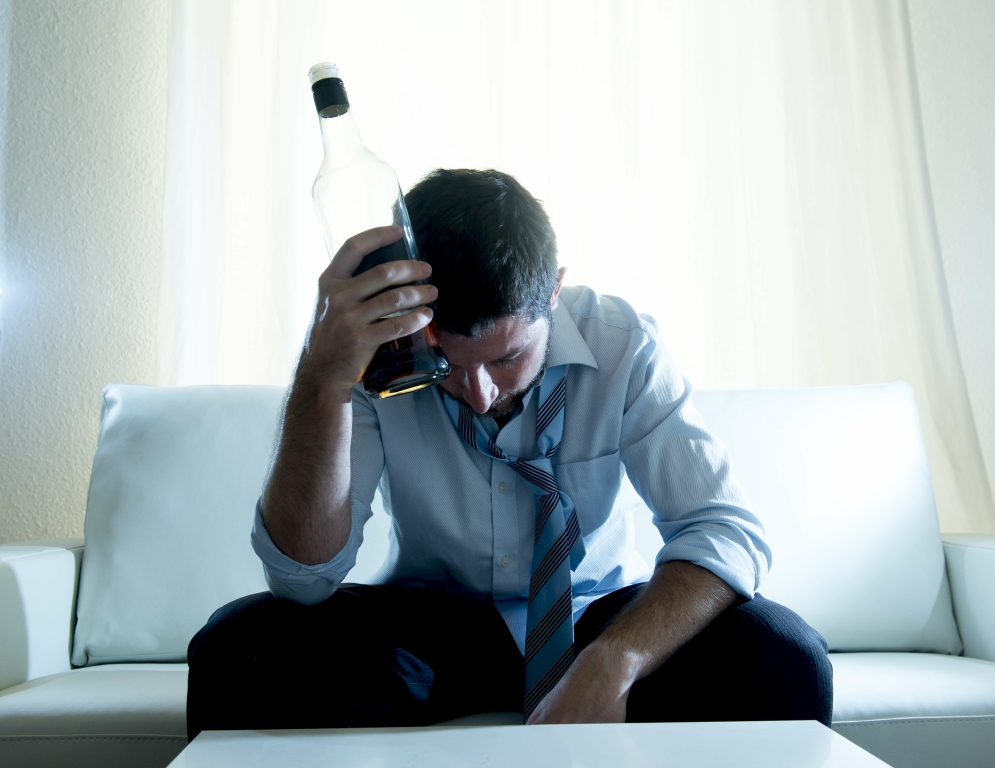
For instance, if being at a particular social event is risky, planning to leave early or bringing a sober friend can help. Firstly, Mindfulness is a mental state achieved by focusing one’s awareness on the present moment, while calmly acknowledging and accepting one’s feelings, thoughts, and experiences. With practice, these techniques can increase self-awareness and provide a more nuanced understanding of one’s cravings, making it easier to manage them. With the right coping methods and support network, you can overcome alcohol addiction and stay sober.
She lives in Washington with her son and a lovably recalcitrant cat. Therapy, https://gallonz.com/how-long-to-wait-between-drinking-alcohol-and/ medication, and recovery programs can all have benefit for reducing and preventing cravings. Combining medication with therapy and other interventions can prove even more helpful than medication alone.
- Success hinges on consistent self-care, proactive planning, and seeking professional guidance when needed.
- This can range from engaging in physical activities, such as jogging or swimming, to intellectual stimulants like reading or solving puzzles.
- Alcohol withdrawal symptoms usually start within hours after you stop drinking, peak in a day or two, and improve within five days.
- You can also learn how to navigate triggers without giving in to your cravings.
How Men Can Manage Stress in Early Recovery
You might feel physical withdrawal symptoms,5 like restlessness, shakiness, sweating, and nausea, for the first couple of weeks after you quit drinking. For example, if you used to drink to cope with stress at work, you may start to crave alcohol whenever you have a looming deadline. You might feel a loss of control or an overwhelming desire to consume alcohol, even if you know it would have negative consequences.
Focus on maintaining a balanced diet, regular exercise routine, and good sleep hygiene. These lifestyle factors can significantly impact your ability to resist cravings and maintain sobriety. But if that’s all you do, they can leave you tired and fearful of urges. To overcome urges and not be fearful of them, you’ll need more advanced methods. You’ll need to experience the urge, but not act on it, until the urge lessens and goes away. Think about these ebbs and flows as though they were waves in the ocean.
We and our partners process data to provide:
However, cravings may persist beyond the detox phase and throughout early recovery. Some people experience post-acute withdrawal syndrome (PAWS), where cravings can last for several months or longer. Everyone’s timeline is unique, and cravings usually lessen over time. During initial treatment, you can develop coping skills to manage these urges. You’ll also learn to recognize triggers before they overwhelm you.
Stay positive
Cravings can be extremely Substance abuse strong and may cause you to feel restless with little concentration or purpose. You may also experience other symptoms along with the craving for alcohol, such as anxiety, irritability, unable to sleep, or feeling bad-tempered. In this blog, we’ll look at different ways of coping with cravings for alcohol and what can be done to stop them.
- Engaging in activities such as exercise, hobbies, listening to music, or any enjoyable task can redirect focus and lessen the intensity of the craving.
- Distraction techniques focus on shifting one’s attention away from cravings.
- Practices like yoga, meditation, regular physical activity, and good sleep habits strengthen resilience and emotional stability.
- With each change, you’ll fortify yourself against the pull of cravings and grow stronger each day.
- Validation from trusted persons is crucial in the management of triggers.
Habits such as regular drinking can lead to physical dependence, resulting in the body needing alcohol to function normally. Physical triggers, like withdrawal symptoms like nausea and headaches, can also increase the urge to drink. Whether you’re just starting your journey or have had setbacks along the way, we’re here to help you build a meaningful, sober life. During the detox process, physical and psychological alcohol cravings can peak. A supervised detox from alcohol ensures safety and comfort while managing withdrawal symptoms.
A doctor or psychiatrist can offer more information and help you explore possible treatment plans. She notes that it can help to avoid your triggers as much as possible in early recovery, since triggers are often most intense when you first stop drinking. Taking time to explore the specific people, places, and situations that cue your urge to drink can make a big difference. Internal triggerstypically involve memories, thoughts, emotions, or physical sensations that prompt the urge to drink.
